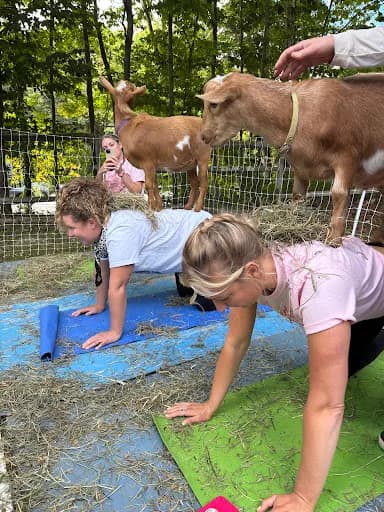
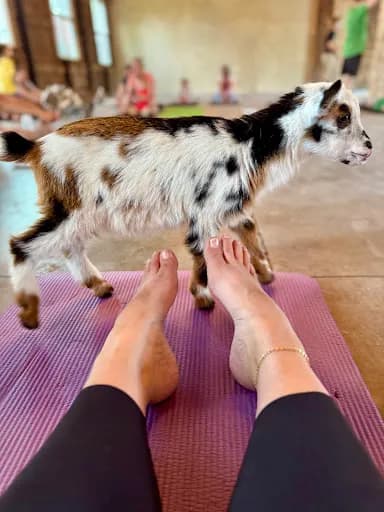
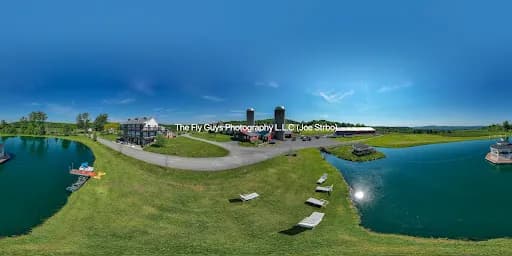
New York State presents a fractured geography for goat yoga, and that fragmentation works to the practitioner's advantage. The eight venues currently operating span two entirely different agricultural worlds: the maritime farmland of Long Island's North Fork and the heavy-soil dairy corridors stretching from the Mohawk Valley south toward the Catskill foothills. There is no single "New York style"—the sessions in Peconic feel different from those in Middle Grove, and understanding that split matters when booking.
Long Island's North Fork runs on lavender and coastal light
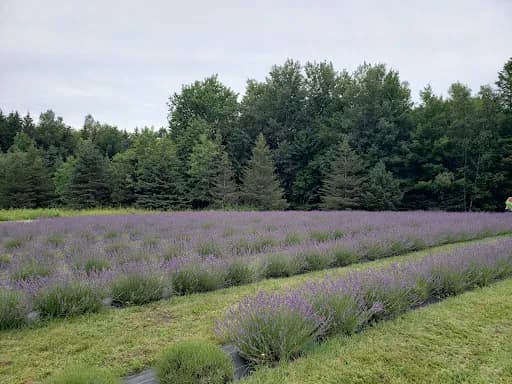
Goat yoga Long Island practitioners are working with a specific microclimate and agricultural tradition. The venues here sit on former potato fields converted to lavender operations and vineyard edges, where the soil is sandy and the growing season runs long into October. Classes happen against a backdrop of Atlantic influence—salt air, persistent wind, and flat horizon lines that make the experience feel exposed and bright. This is not the wooded, enclosed farm feel of upstate. The goats here are often smaller breeds acclimated to the coastal environment, and the photo opportunities lean heavily into the purple rows of late-summer lavender.
Upstate's Mohawk Valley and Catskill venues operate on working farm logic
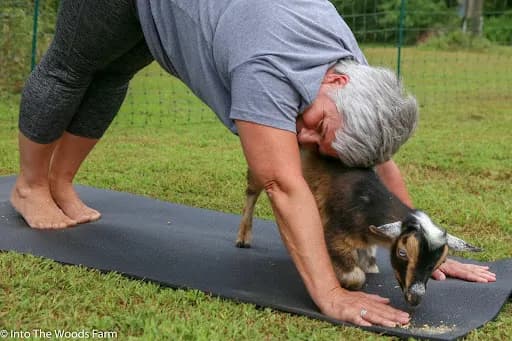
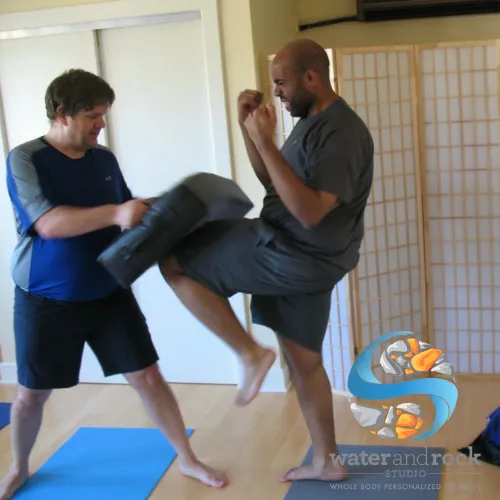
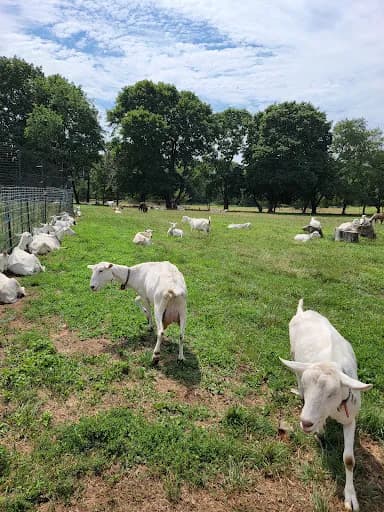
Spring Creek Lavender in Remsen and Into The Woods Farm in Middle Grove represent the upstate approach: classes integrated directly into working livestock operations. The terrain is hilly, the tree cover is dense, and the seasons dictate everything. Gilbertsville Farmhouse in South New Berlin sits in Otsego County dairy country, where the rolling pastures and old barn infrastructure create a more traditional farm yoga setting. Woodstock Goat Yoga in Shady carries the countercultural weight of its geography—the sessions attract a different demographic than the North Fork locations, and the farm's layout reflects the Catskills' uneven, forested topography. Water and Rock Studio in New York City and NY Goat Yoga in the 13843 zip code round out the state's footprint, though the urban option operates on a fundamentally different model than the farm-based sessions.
Goat yoga NYC searches lead to a different experience entirely
Anyone typing goat yoga NYC into a search engine needs to understand the distinction: urban sessions are scheduled events, often pop-ups or partnerships with existing studios, not permanent farm operations. The goats are transported in, the session lasts an hour, and you leave. The farm sessions upstate and on Long Island are destination visits requiring drives of two to four hours. Both are valid, but they serve different intentions. The farm visits are half-day commitments. The city sessions are workout classes with animals.
First-timers should book around the farm's actual season, not the calendar
Goat yoga in New York is agricultural first, wellness second. The goats have kidding seasons, pasture rotations, and weather restrictions that override any studio's booking calendar. A farm in Middle Grove in March looks and functions differently than the same farm in September. Call ahead. Ask what the pasture looks like right now, not what the Instagram photos from August showed.