4.9
2222 Robin Ben Ln, Knoxville, TN 37924, United States
Agricultural service
Loading...
4 locations found — your guide to goat yoga near me in Tennessee
Tennessee's goat yoga scene clusters around Nashville and stretches east toward Knoxville, with four working farms hosting classes between spring and fall. The venues range from dedicated goat yoga operations in Nolensville to pygmy goat sanctuaries in the Tennessee Valley.
From the rolling pastureland of the Cumberland Plateau to the foothills of the Great Smoky Mountains, Tennessee offers a distinctly rural backdrop for outdoor fitness. A legitimate goat yoga corridor runs directly through Middle Tennessee and into the eastern edge of the state. Four venues anchor the scene, each with a distinct personality shaped by its geographic setting.
Two of the state's four venues sit within a 45-minute drive of downtown Nashville. Goat Yoga Nashville operates in Nolensville, about 30 minutes southeast of the city, and runs as a dedicated goat yoga operation rather than a working farm that added classes as a side venture. Nashville Horse and Goat Yoga in Springfield — roughly 40 minutes northeast — pairs the experience with equine sessions, so participants can book a full morning of animal-assisted movement. The Springfield location sits in Robertson County farm country, where tobacco barns and horse pastures still define the landscape.
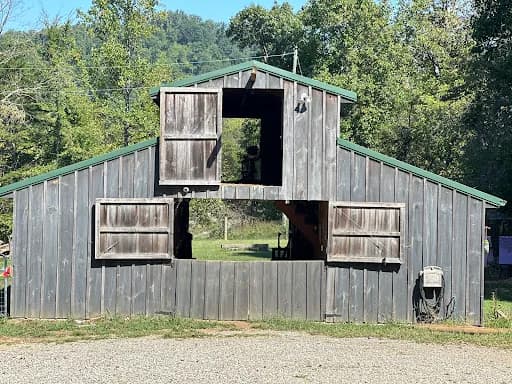
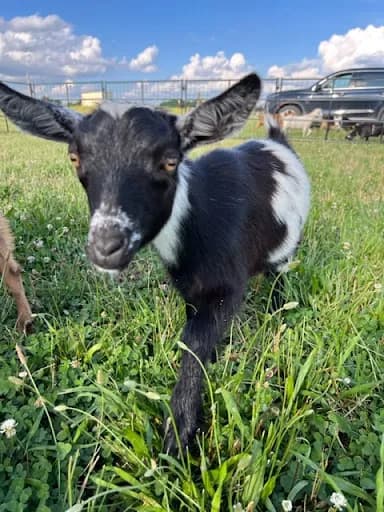
Pygmy Harbor Farm, located in the 37924 zip code on Knoxville's east side, is the state's easternmost option and the only venue specializing in pygmy goats rather than standard Nigerian dwarfs or fainting goats. The smaller breed means lighter animals on the mat, which matters for those concerned about a ten-pound versus a sixty-pound goat climbing on a back during savasana. Walkapony Goat Ranch in Rossville, Georgia sits just across the state line south of Chattanooga, making it the closest option for residents of southeastern Tennessee.
Tennessee's humidity makes June through August brutal for outdoor yoga. May and October are the sweet spots, when temperatures hover in the sixties and seventies and the goats are most active. July classes exist, but expect to sweat through the mat before the session ends. Most venues shut down entirely from December through March.
The Nolensville and Springfield venues fill up on Saturday mornings, especially during the October pumpkin-patch season when farms add fall activities. Weekday sessions have more availability but run less frequently — some venues only offer them once or twice a month. First-timers should know that the yoga portion is genuinely beginner-level; the difficulty is not the poses but maintaining focus when a goat decides a mat is a bed.
Plan for April-May or September-October when Tennessee's humidity drops and temperatures stay in the 60s-70s. Summer sessions in July and August happen but bring oppressive heat, especially at the Middle Tennessee venues with limited shade. All farms pause classes from late November through March.
Wear clothes that can get dirty — goats chew on loose fabric and leave hoof prints on shirts. Bring a yoga mat that can withstand mud and nibbling. Closed-toe shoes are mandatory at every Tennessee venue; sandals will result in being turned away at check-in.
 4 locations
2222 Robin Ben Ln, Knoxville, TN 37924, United States
2626 York Rd, Nolensville, TN 37135
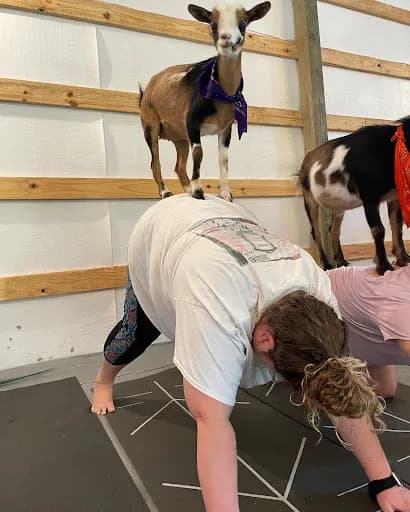
Handlers actively place soft, well-socialized goats onto participants during poses, while staff circulate to photograph every improbable moment on the mat.
Goat Yoga Nashville offers handler-guided goat interactions during outdoor yoga classes on a Brentwood farm, with staff photographers capturing every moment.
3600 S Hyde Rd, Springfield, TN 37172
Instructor Phoenix leads beginner-friendly goat yoga sessions incorporating somatic practice and meditation, while owner Stephen shares local dining picks and farm tours with horses after class.
Springfield farm offering guided goat yoga classes with instructor Phoenix, post-session farm tours with owner Stephen, horse encounters, and sweeping pastoral views just outside Nashville.
Goat Yoga Nashville in Nolensville is about 30 minutes southeast of downtown via I-24. Nashville Horse and Goat Yoga in Springfield is roughly 40 minutes northeast via I-65. Both require a car — there's no public transit to either location.
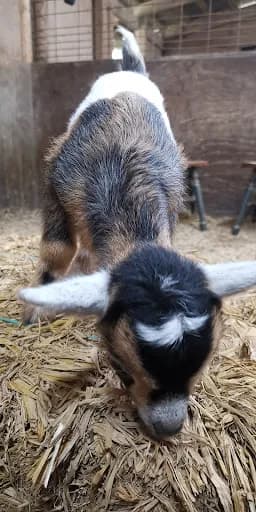
Pygmy Harbor Farm on Knoxville's east side uses pygmy goats, which are significantly smaller than the Nigerian dwarf and fainting goats common at other venues. A pygmy goat weighs 40-60 pounds fully grown compared to 75 pounds for a standard breed, making the experience less intimidating for first-timers.
No. All four venues pause classes during winter months, typically from late November through March. The outdoor pasture settings that make these experiences appealing become impractical once Tennessee's winter rains turn the ground to mud and temperatures drop into the 30s and 40s.
Goat Yoga Nashville in Nolensville and Nashville Horse and Goat Yoga in Springfield both offer private group bookings, which are popular for bachelorette parties and corporate outings. Book at least a month in advance for weekend private events, especially during the busy spring and fall seasons.
Most venues reschedule rather than move indoors, since the goats are accustomed to outdoor spaces. Goat Yoga Nashville and Pygmy Harbor Farm typically email participants 24 hours ahead if weather looks questionable. Spring storms in Tennessee can appear quickly, so check the forecast the morning of the session.
Join the growing directory of goat yoga studios. Claim your listing to stand out and reach more customers in your area.
Claim Your ListingClick your state to find locations near you