Georgia's goat yoga footprint is compact but strategically positioned. The three studios in the directory orbit Atlanta, stretching from the eastern suburbs of Loganville and Tucker up to the mountain town of Cleveland. This geographic concentration means the majority of the state's population sits within an hour's drive of a session, making goat yoga atlanta a practical reality rather than a rural pilgrimage.
Loganville and Tucker anchor the metro Atlanta scene
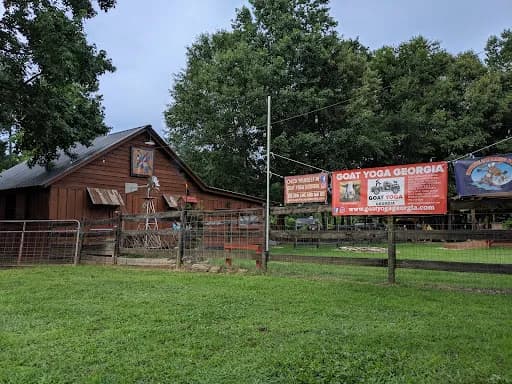
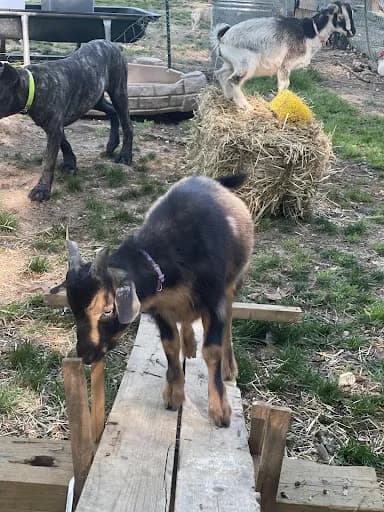
Goat Yoga Georgia operates out of Loganville, roughly thirty-five miles east of downtown Atlanta. The venue provides a straightforward suburban farm experience—close enough for a Saturday morning trip from the city, far enough out that the pasture acreage feels legitimate. GGA Dwarf Goat Yoga in Tucker moves the operation closer to the I-285 perimeter, making it one of the more accessible goat yoga georgia options for intown residents who want to avoid a long highway drive. Tucker's setup runs specifically with dwarf goats, which changes the dynamic on the mat. Smaller animals means lighter hooves, a factor worth considering for anyone concerned about the physical reality of a forty-pound animal standing on their back during downward dog.
Cleveland brings goat yoga into the Blue Ridge foothills
GOGA In The Wild operates out of Cleveland, Georgia, situated in White County at the edge of the Chattahoochee National Forest. This is the only directory-listed venue that delivers a true mountain setting. The elevation shift matters—Cleveland sits higher than the Atlanta suburbs, which means cooler morning temperatures and a different seasonal calendar for outdoor sessions. The drive north from Atlanta runs about ninety minutes, making this a destination venue rather than a spontaneous drop-in.
Book spring and fall sessions to avoid Georgia's summer heat
Georgia's climate dictates the goat yoga calendar more than most practitioners anticipate. Summer humidity in the Atlanta area regularly pushes heat indices above 100 degrees, and outdoor sessions on open pasture offer no shade structures. The studios run their most reliable schedules from late March through May, and again from late September through November. Winter sessions happen, but they are weather-dependent and often get cancelled when pastures turn muddy after the state's frequent winter rain systems move through.
First-timers should plan for red clay and uneven ground
Georgia's famous red clay dominates the pasture landscape at these venues. The soil stains fabric permanently and compacts into hard ridges when dry. A standard yoga mat will get filthy, and the uneven pasture ground means balancing poses require more core engagement than a studio floor demands. Wear clothes you do not care about. The goats themselves are accustomed to people, but they are still loose animals on open ground. They will investigate bags, chew on loose clothing, and occasionally urinate on the grass near the mats. This is the reality of the practice, not a flaw in the execution.