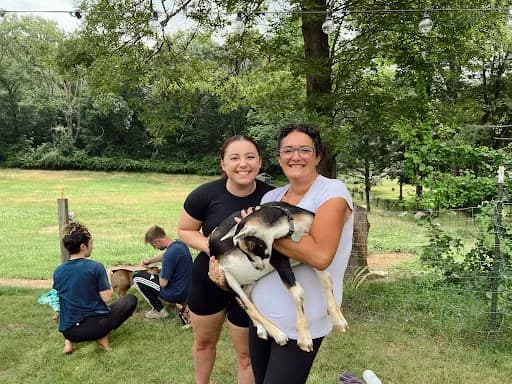
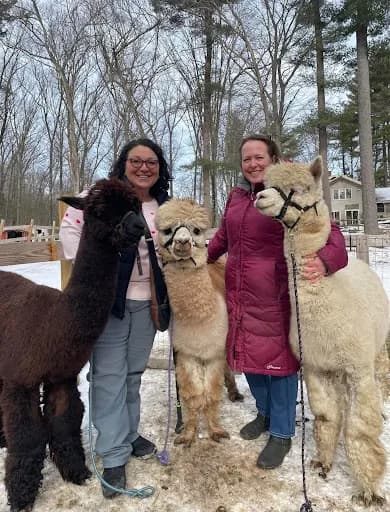
Massachusetts splits its goat yoga scene between two very different worlds: the working farm belt stretching along the I-495 corridor and the island sanctuary of Martha's Vineyard. The result is a state where you can downward-dog alongside a Nigerian Dwarf in the morning and be back in downtown Boston by lunchtime.
The I-495 corridor is the state's goat yoga spine
The cluster of venues running from Goats To Go ® in Georgetown down through Happy Goats Farm in Holliston and Bracken Hill Farm in Northborough forms the densest concentration of goat yoga Massachusetts has to offer. These aren't hobby farms with a few rescue animals—they're working agricultural operations that have carved out serious programming around goat yoga. Goats To Go ®, for instance, has built a regional reputation on structured sessions that balance actual vinyasa flow with the inevitable chaos of baby goats climbing on your back. The drive from Boston to any of these venues runs 45 minutes to an hour, making them legitimate options for city dwellers searching for goat yoga boston without wanting to commit to a full weekend excursion.
West of the city offers a different flavor
Head west and the character shifts. Good Pickin' Farm in Westford and Sage Meadow Farm in Easthampton represent the Pioneer Valley and Merrimack Valley approaches—quieter, more pastoral settings where the goat yoga session feels like part of a larger farm day rather than a standalone event. Easthampton's location puts it within striking distance of Northampton and the Five College area, drawing a crowd that skews younger and more alternative than the suburban family operations closer to Boston.
Chilmark is the state's most unlikely goat yoga destination
Then there's Native Earth Teaching Farm in Chilmark, which might be the most interesting venue in the entire state directory. Martha's Vineyard isn't exactly hurting for wellness programming, but this teaching farm brings a level of agricultural seriousness that separates it from the novelty operations. The farm focuses on heritage breeds and sustainable agriculture education, with goat yoga serving as an entry point rather than the main event. Booking here requires planning around ferry schedules and island lodging, making it a commitment that rewards those willing to treat it as a real trip rather than a day excursion.
Massachusetts goat yoga culture favors working farms over studios
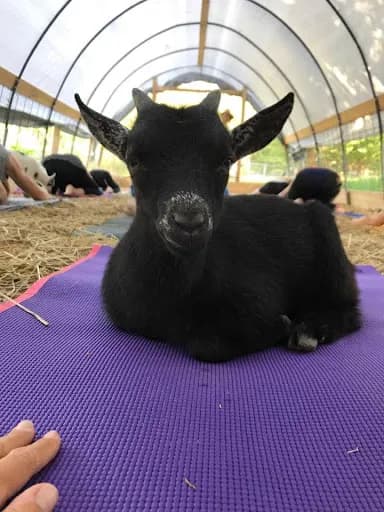
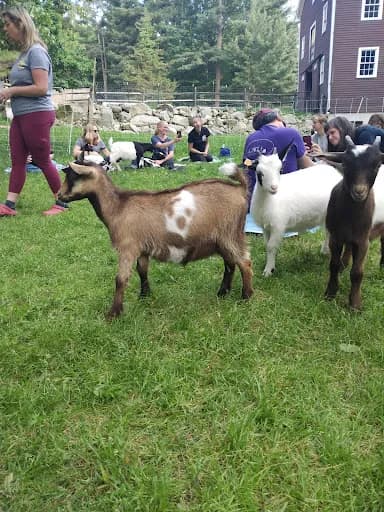
The state's goat yoga scene skews heavily toward family-owned operations rather than corporate wellness studios, which means sessions come with genuine farm atmosphere—mud, uneven ground, and the occasional whiff of manure. Most venues run their classes outdoors from late spring through early fall, with limited indoor options during colder months. The goats themselves tend to be Nigerian Dwarf or Pygmy breeds, chosen specifically for their manageable size and relatively calm temperaments. First-timers searching for goat yoga massachusetts should know that these are working farms first and wellness venues second, which is exactly what makes them worth the drive.