What Is Goat Yoga?
Goat yoga is a wellness activity that combines traditional yoga practice with the delightful presence of friendly goats. During a typical session, participants practice yoga poses while baby goats or small adult goats roam freely around them, sometimes climbing on their backs, nuzzling them, or simply adding an element of joy and unpredictability to the practice.
Unlike traditional yoga classes held in quiet studios, goat yoga embraces chaos, laughter, and playfulness. The goats' natural curiosity and playful behavior create a lighthearted atmosphere that helps participants let go of stress, laugh freely, and connect with nature and animals in a meaningful way.
The practice typically takes place outdoors, in pastures, barns, or farm settings, though some facilities offer indoor options. Classes are designed to be accessible to all skill levels, with the primary focus on enjoyment and stress relief rather than achieving perfect poses. This makes baby goat yoga an ideal activity for yoga beginners, families, groups of friends, or anyone looking for a unique wellness experience.
What sets goat yoga apart from traditional yoga is the element of animal-assisted therapy. The presence of animals has been shown to reduce stress, lower blood pressure, and trigger the release of oxytocin, often called the "love hormone." When you combine these effects with the physical and mental advantages of yoga, you get a wellness practice that nurtures both body and mind while bringing pure joy.
The Origins of Goat Yoga
Goat yoga was invented in 2016 by Lainey Morse on her farm in Oregon's Willamette Valley, when a birthday party on the property turned into a yoga class among her goats. It grew alongside her Goat Happy Hour gatherings, unstructured time spent with the goats, during what she has described as one of the most difficult years of her life.
Photos from that first class, sent to Modern Farmer magazine, set off a wave of national press. Morse has described coverage from the Oregonian, The New York Times, People and The Wall Street Journal, and classes began appearing at farms and studios across the country. Her company still operates today as Original Goat Yoga.
Goat yoga is now offered at farms and yoga studios across the United States: our directory tracks 195 active listings in 48 states, spanning regular classes, private events and birthday parties. Read the full origin story →
Benefits of Goat Yoga
An hour in a field with baby goats works on three fronts. In the moment, the laughter and the animals' complete indifference to your form dissolve stress and switch off rumination; brief contact with goats has been shown to reduce anxiety more than a walk in a garden. Underneath the comedy sits a real workout: the familiar yoga gains in flexibility, core strength and balance, plus the hormonal shift that comes with animal contact, oxytocin up and cortisol down. And some of it follows you home: the social bonds of a shared, slightly absurd experience, a gentler attitude to your own practice, and for many people a lasting route into regular yoga.
We cover all ten benefits, with the study evidence behind them, in the full feature: 10 surprising benefits of goat yoga →
What to Expect at Your First Goat Yoga Class
If you're considering trying goat yoga for the first time, knowing what to expect can help you feel more comfortable and prepared. Here's a detailed walkthrough of a typical goat yoga experience.
Before you arrive
- Book your class in advance; goat yoga is popular and spots fill up quickly
- Read the studio's guidelines about arrival time (usually 10-15 minutes early)
- Check the weather forecast if the class is outdoors
- Review what to wear and bring (more details below)
- Consider bringing hand sanitizer and a small towel for cleanup
Arrival and setup
- You'll typically sign a waiver acknowledging the presence of animals and outdoor conditions
- The instructor will provide safety guidelines and introduce the goats
- You'll choose a spot to place your yoga mat (studios usually provide mats, but bring your own if preferred)
- The goats may already be roaming around, or they'll be released once everyone is settled
- Take a moment to greet the goats before class starts; they're usually friendly and love attention
During the class
A typical 45-60 minute session includes:
- Warm-up (5-10 minutes): gentle stretches and breathing exercises to prepare your body. Goats may start investigating participants during this time.
- Yoga flow (20-30 minutes): the instructor guides you through beginner-friendly poses like cat-cow, child's pose, downward dog, plank, and seated stretches, all perfect for goat interactions.
- Goat interactions: baby goats may climb on your back during poses like downward dog or plank, nuzzle you, or simply sit nearby. This is part of the fun.
- Photo opportunities: most classes include dedicated time for photos with the goats.
- Cool-down (5-10 minutes): gentle stretches and final relaxation (savasana), though goats may still be exploring.
The goat experience
- They're curious: goats will explore everything: your mat, your hair, your clothes, your water bottle
- They love to climb: when you're in poses like downward dog, you become an irresistible climbing structure
- They might nibble: goats are naturally curious and may gently nibble on clothing or accessories, so avoid bringing anything you don't want them investigating
- They can be affectionate: many goats enjoy being petted and will seek out attention from participants
- It's okay to set boundaries: if you need space from the goats, it's perfectly fine to gently move them away or reposition yourself
Safety considerations
- The goats are accustomed to people and supervised throughout the class
- Instructors are trained in both yoga and animal handling
- Studio staff will intervene if any goat becomes too rowdy or if a participant needs assistance
- The yoga sequences are modified to be safe with animals present: no complicated balancing poses or inversions
- Outdoor venues typically have fenced areas to keep goats contained
After the class
- Most studios allow extra time after class for photos and goat interaction
- You'll have opportunities to feed or pet the goats (some studios provide treats)
- Clean up your space and return any borrowed equipment
- Many participants stay to chat, share photos, and enjoy the farm atmosphere
- Some venues have farm stores where you can purchase goat products or souvenirs
Come with an open mind and a sense of humor. Goat yoga is meant to be fun and lighthearted. You won't achieve perfect poses, and that's exactly the point: the goal is to laugh, relax, and enjoy a unique experience with adorable animals.
Common Goat Yoga Poses
Goat yoga classes typically feature beginner-friendly poses that are safe, accessible, and create perfect opportunities for goat interactions. Here are the most common poses you'll encounter.
1. Child's Pose (Balasana)
How to do it: Kneel on your mat, sit back on your heels, and fold forward with arms extended or resting alongside your body.
Why it's great for goat yoga: This gentle resting pose creates a perfect little "cave" that goats love to investigate. They might climb on your back or nestle beside you.
Benefits: Gently stretches hips, thighs, and ankles; calms the mind and relieves stress.
2. Downward-Facing Dog (Adho Mukha Svanasana)
How to do it: Start on hands and knees, then lift your hips up and back, forming an inverted V-shape with your body. Keep your hands shoulder-width apart and feet hip-width apart.
Why it's great for goat yoga: This is THE signature goat yoga pose. Your back becomes the perfect platform for baby goats to climb on, creating those iconic photos.
Benefits: Strengthens arms and legs; stretches hamstrings, calves, and spine; energizes the body.
3. Cat-Cow Stretch (Marjaryasana-Bitilasana)
How to do it: Start on hands and knees. Alternate between arching your back (cow) and rounding your spine (cat), moving with your breath.
Why it's great for goat yoga: The gentle movement is easy to maintain even with a goat on your back. The low position keeps you stable and safe.
Benefits: Improves spine flexibility; massages internal organs; relieves back tension.
4. Plank Pose
How to do it: Hold your body in a straight line from head to heels, supported on your hands (or forearms) and toes, like the top of a push-up position.
Why it's great for goat yoga: Creates a flat "bridge" surface that goats find irresistible for climbing. Challenging but achievable for most fitness levels.
Benefits: Builds core strength; strengthens arms, wrists, and spine; improves posture.
5. Seated Forward Fold (Paschimottanasana)
How to do it: Sit with legs extended forward, then hinge at the hips to fold forward over your legs, reaching toward your feet.
Why it's great for goat yoga: Goats can approach you from the front, and the gentle, stable position allows for easy interaction and petting.
Benefits: Stretches hamstrings and spine; calms the mind; stimulates digestion.
6. Cobra Pose (Bhujangasana)
How to do it: Lie on your stomach, place hands under shoulders, and press up to lift your chest while keeping hips on the ground.
Why it's great for goat yoga: The low position keeps you grounded and stable. Goats might investigate your face or nestle beside you.
Benefits: Strengthens spine; opens chest and lungs; improves flexibility.
7. Bridge Pose (Setu Bandhasana)
How to do it: Lie on your back with knees bent and feet flat. Lift your hips toward the ceiling, supporting your back with your hands if needed.
Why it's great for goat yoga: Creates an arch that goats might walk under or investigate. It's a gentle backbend accessible to most participants.
Benefits: Strengthens back, glutes, and legs; opens chest and hip flexors; calms the nervous system.
8. Savasana (Final Relaxation)
How to do it: Lie flat on your back with arms and legs relaxed, palms facing up. Close your eyes and focus on your breath.
Why it's great for goat yoga: While you attempt to relax, goats might snuggle up next to you, walk across your mat, or provide a gentle "massage" with their hooves, all part of the experience.
Benefits: Promotes deep relaxation; reduces stress and anxiety; integrates the benefits of your practice.
In goat yoga, the focus is not on achieving perfect alignment or holding poses for extended periods. The presence of goats naturally shortens holds and adds playful interruptions. Instructors understand this and create sequences that embrace the chaotic joy of practicing with animals.
What to Wear to Goat Yoga
Choosing the right outfit for goat yoga is important for both comfort and practicality. Since you'll be outdoors with animals, your clothing choices should differ slightly from what you'd wear to a regular indoor yoga class.
Do wear
- Fitted, comfortable athletic wear (leggings, yoga pants, fitted t-shirts)
- Clothes you don't mind getting dirty or potentially damaged
- Closed-toe shoes (athletic shoes, hiking boots) for arrival and departure
- Layers you can remove if you get warm
- Dark colors or patterns that won't show dirt easily
- Moisture-wicking fabrics for comfort
- Long sleeves for sun protection at outdoor classes
Don't wear
- Loose, flowing clothing that goats can step on or nibble
- Expensive or sentimental clothing
- Dangling jewelry (necklaces, long earrings, bracelets)
- Open-toed shoes or sandals, except during the practice itself
- White or light colors that show every speck of dirt
- Anything with strings, tassels, or decorations goats might chew
- Heavily scented perfumes or lotions, which may bother the animals
What to bring
- Yoga mat: most studios provide mats, but bringing your own ensures you have one you're comfortable with. Choose one that's easy to clean afterward.
- Water bottle: bring a secure, closeable bottle; goats are curious about open containers.
- Towel: useful for wiping hands, mat cleanup, or sitting on afterward.
- Sunscreen and hat: essential for outdoor classes, especially in summer months.
- Hand sanitizer: for cleaning up after interacting with the goats.
- Phone or camera: you'll want photos. Consider a phone case with a wrist strap.
- Bug spray: for outdoor classes in warmer months.
Hair and accessories
- Tie long hair back securely in a bun or braid; goats are curious about hair
- Use non-slip hair ties rather than clips that could fall out
- Remove or secure any dangling jewelry, which attracts goat attention
- Consider leaving valuable jewelry at home or in your car
Seasonal considerations
- Summer classes: light, breathable fabrics; sunscreen applied before class; a wide-brimmed hat for before and after; extra water.
- Winter classes (indoor or covered): layers you can remove as you warm up; long sleeves and pants; warm socks; a jacket for arrival and departure.
Your clothes WILL get dirty; that's part of the experience. Goats may step on you with muddy hooves, rub against you, or even have "accidents." Wear clothes you're comfortable getting messy and embrace the farm. Most dirt washes out easily, and the memories are worth it.
Frequently Asked Questions
Is goat yoga safe?
Yes! Goat yoga is very safe. Studios use friendly, well-socialized goats that are accustomed to being around people. The goats are typically baby goats or smaller breeds that are gentle and supervised throughout the session. Instructors are trained to ensure both human and animal safety.
Do I need to be good at yoga to try goat yoga?
Absolutely not! Goat yoga is perfect for beginners. The focus is on having fun and relaxing rather than achieving perfect poses. Most classes are gentle and beginner-friendly, with instructors guiding participants through simple poses that accommodate all skill levels.
Will the goats really climb on me?
Yes, they might! Baby goats love to climb, and participants doing poses like downward dog or plank create perfect 'mountains' for them to explore. However, you can always gently discourage a goat if you're not comfortable with them climbing on you. Most people find it delightful!
How much does goat yoga typically cost?
Goat yoga classes typically range from $25 to $45 per person for a single session. Prices vary based on location, class duration, and whether it's a group or private session. Some studios offer package deals or discounts for first-time visitors. Check our directory for specific pricing at studios near you.
Can I bring my own goat?
No, you cannot bring your own animals to goat yoga classes. Studios use their own trained, health-checked goats that are familiar with the environment and comfortable around groups of people. This ensures safety and consistency for all participants.
Are goat yoga classes held indoors or outdoors?
Most goat yoga classes are held outdoors in warmer months, often in pastures, barns, or farm settings. Some facilities have covered or indoor spaces for year-round classes or inclement weather. The setting varies by location and season, so check with your chosen studio.
Is goat yoga appropriate for children?
Many studios welcome children and even offer family-friendly sessions designed for all ages. However, age requirements vary by location. Some studios require children to be supervised by adults, while others have minimum age requirements. Always check the studio's policy before booking.
What if I have allergies?
If you have animal allergies, consult your doctor before attending goat yoga. The outdoor setting often helps minimize allergic reactions compared to indoor animal interactions. Some people with mild allergies find they can participate comfortably, especially if they take antihistamines beforehand. Consider trying a shorter session first to test your tolerance.
How long should I arrive before my goat yoga class?
Plan to arrive 10-15 minutes before your scheduled class time. This gives you time to check in, sign any required waivers, use the restroom, set up your mat, and meet the goats before the session begins. Some studios may require earlier arrival for first-time participants to go over safety guidelines and answer questions.
Do goat yoga studios provide yoga mats?
Most goat yoga venues provide yoga mats for participants, but policies vary by location. Some studios include mat rental in the class fee, while others may charge a small rental fee or require you to bring your own. If you have a mat you love, bringing your own is always a good option. Just be prepared to clean it thoroughly afterward, as it will likely get dirty from outdoor conditions and goat interactions.
Studios to Explore
These farms and studios manage their own listings with us, so the details come straight from the people who run the classes.
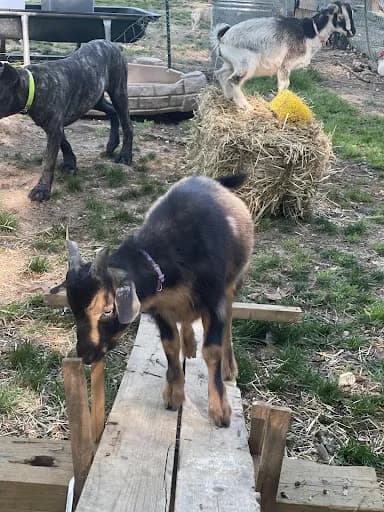
GGA Dwarf Goat Yoga
VerifiedTucker, Georgia
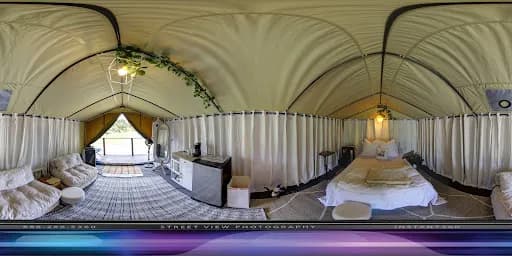
Goats on the Bayou Farm LLC
VerifiedAlvin, Texas

Spring Creek Lavender
VerifiedRemsen, New York
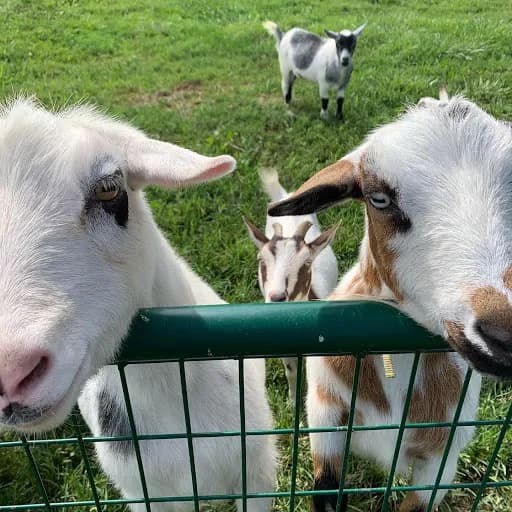
Original Goat Yoga - New Castle KY
VerifiedNew Castle, Kentucky
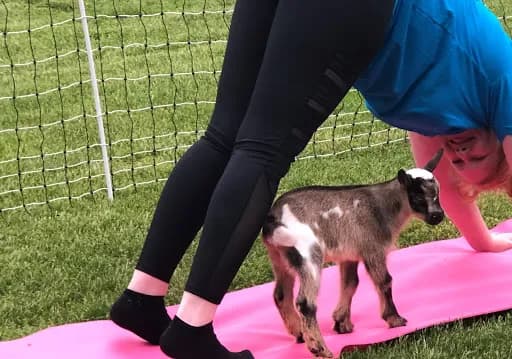
Goat for the Soul, Goat Yoga
VerifiedUnion Bridge, Maryland
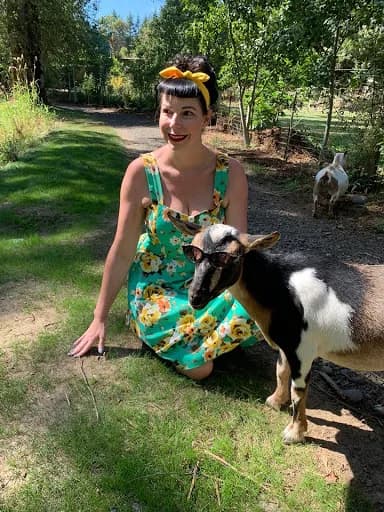
Original Goat Yoga- Oregon City OR
VerifiedOregon City, Oregon