4.9
77 Garland Rd, Nottingham, NH 03290, United States
Farm
Today: Closed
Loading...
2 locations found — your guide to goat yoga near me in New Hampshire
New Hampshire's goat yoga scene is anchored by two working farms at opposite ends of the state: Jenness Farm in the Seacoast region and Dancing Bear Farm in the Upper Valley. Both deliver the full pasture-and-poses experience against distinctly different backdrops, from tidal marshlands to rolling Connecticut River valley terrain.
From the dense, rocky forests of the White Mountain foothills to the deep agricultural cuts of the Connecticut River Valley, New Hampshire's landscape is defined by sharp geographic contrasts. The state's goat yoga offerings reflect this division, anchored by two working farms at opposite geographic extremes. Rather than pop-up classes in city parks, these experiences take place on actual homesteads run by farmers who raise the animals.
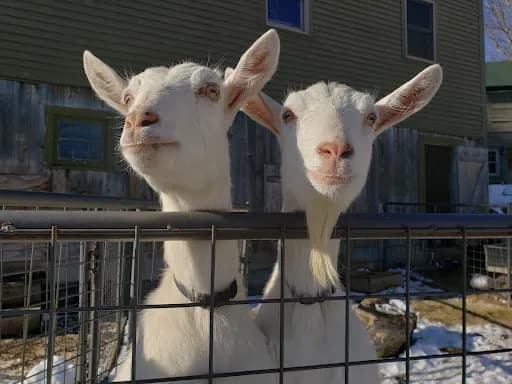
Jenness Farm (03290) sits about 30 minutes inland from Portsmouth, positioned in the lakes-and-forests transition zone between the coast and the White Mountain foothills. The farm runs Nigerian Dwarf goats — the breed of choice for goat yoga new hampshire sessions because of their manageable size and social temperament. Classes here happen outdoors in a pasture setting when weather allows, with the farm's barn as a backup during marginal conditions. The setting is genuinely rural despite being a short drive from I-95, and the property has the feel of a working homestead rather than a staged event space.
Dancing Bear Farm (03743) operates in the Connecticut River Valley near Claremont, placing it in the western part of the state along the Vermont border. The farm's elevation and valley location mean cooler evening temperatures even in mid-summer, and the surrounding terrain is classic New England — stone walls, mixed hardwood forest, and pastureland that turns spectacularly golden in early October. Goat yoga new hampshire sessions here tend to feel more intimate and less structured than larger commercial operations, with class sizes that allow real interaction with the animals.
New Hampshire's goat yoga season is shorter than what you'd find in southern New England. May and June can work, but spring rain and muddy pasture conditions make scheduling unpredictable. July through early September is the sweet spot — pastures are dry, goats are active, and evening temperatures drop enough to make outdoor practice comfortable. Some farms offer limited fall sessions into early October, but the window closes quickly once overnight frosts begin. Winter goat yoga essentially doesn't exist here; the animals move to barns and outdoor classes become impractical.
With only two dedicated venues serving the entire state, weekend goat yoga classes in New Hampshire fill weeks in advance, particularly during July and August. Jenness Farm's proximity to the Seacoast vacation corridor means competition for spots intensifies in summer. Weekday sessions, when offered, are dramatically easier to book and often feature smaller class sizes with more animal interaction time.
July through early September is peak goat yoga season in New Hampshire, when pastures are dry and evening temperatures cooperate. Late spring sessions happen but face rain cancellations, and the season effectively ends by mid-October once frost becomes routine. Plan for morning or early evening classes during summer to avoid the heat that stresses both goats and practitioners.
Bring a yoga mat you don't mind getting dirty — pasture classes mean grass, dirt, and occasional goat pellets on your mat surface. Wear layers even in summer; New Hampshire evenings drop 15-20 degrees quickly once the sun goes behind trees. Closed-toe shoes are essential for walking through pasture terrain to and from the practice area.
 2 locations
77 Garland Rd, Nottingham, NH 03290, United States

379 Jarvis Hill Rd, Claremont, NH 03743, United States
Jenness Farm in Northwood is roughly 30 minutes inland from Portsmouth via Route 4, placing it in the lakes region between the Seacoast and the White Mountains. The drive is straightforward on major roads, but the final stretch involves rural routes where GPS signal can be spotty. Allow extra time for your first visit.
Dancing Bear Farm near Claremont operates in a more rural, agricultural setting than southern New Hampshire venues. Classes here tend to be smaller and more intimate, with the farm's Connecticut River Valley location offering cooler temperatures and mountain views. The experience feels less commercial and more like practicing yoga on a working farmstead.
July through early September is the most reliable window, when pastures are dry and evening temperatures are comfortable for outdoor practice. Early fall can work but becomes risky once frost begins. Spring sessions face frequent rain cancellations due to muddy conditions, and winter goat yoga isn't offered at either venue.
Both Jenness Farm and Dancing Bear Farm design sessions for all experience levels, with instructors who understand that most attendees are there for the animals rather than a serious workout. The yoga portion is typically gentle and restorative, with frequent pauses for goat interaction. No prior yoga experience is needed.
Weekend sessions at both farms regularly book out three to four weeks in advance during July and August, driven partly by New Hampshire's summer tourism traffic. Weekday classes are easier to reserve on shorter notice. Book as early as your schedule allows, particularly if visiting from out of state.
Join the growing directory of goat yoga studios. Claim your listing to stand out and reach more customers in your area.
Claim Your ListingClick your state to find locations near you