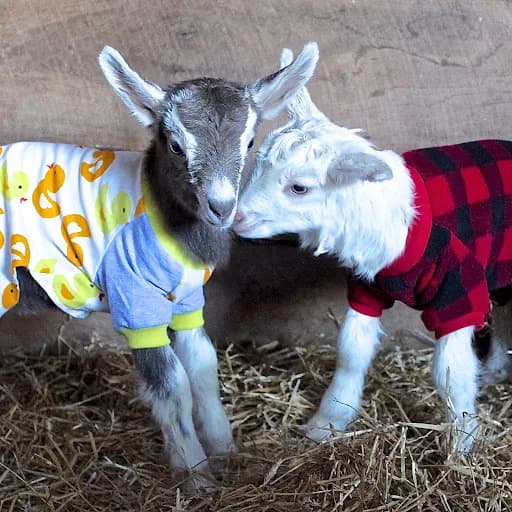
Goat yoga in Elberta, Alabama, happens on one farm, and that singularity is the point. The operation sits on Coleman Lane, set back from the road on open pasture where classes run at sunset during the warmer months. This is not a converted urban studio with animals trucked in. The goats live here, and the pacing of each session reflects that—unhurried, loosely structured, with animals wandering onto mats when they feel like it rather than when cued.
Sunset Timing Shapes the Entire Experience
Coastal Alabama heat dictates the schedule here. From late spring through early October, classes shift to evening, starting roughly an hour before sunset. The light drops fast over the pasture, and the temperature finally breaks. Mosquitoes are a factor by late summer; regulars bring repellent. The farm does not run midday summer sessions, which tells you everything about how seriously the operators take animal comfort over maximizing bookings.
Baby Goat Grams Fill the Off-Season Gap
When pasture yoga pauses during the colder stretch—roughly December through February—the farm pivots to baby goat gram visits. Staff coordinate delivery of young goats to homes, event spaces, and businesses within a reasonable radius of Elberta. These are personalized setups for birthdays, proposals, and corporate gatherings, not drive-by photo ops. The coordination required means advance booking is non-negotiable, often a week or more out depending on kidding season timing.
First-Timer Essentials for Pasture Sessions
Wear clothes you do not mind getting dirty. The pasture is grass, not turf, and goats have hooves that will leave marks on yoga mats. Closed-toe shoes for walking in, bare feet or grip socks for the session itself. The farm provides mats, but bringing your own means you control the surface. Arrive early—the property is not signed prominently from the road, and cell service can lag enough to make last-minute GPS navigation unreliable.
 Goat Yoga in Elberta, AL